
Scent, Color, Sound, Etc: 5 Sensory Design Tips To Curate A Happy Home You Love
Can Your Home Actually Make You Happier?
Research into sensory design confirms what intentional living has always understood: the physical environment shapes mood, stress levels and even cellular health. A home built around deliberate sensory choices is a biohacking tool hiding in plain sight. Every surface, scent and light source sends signals to the brain that either elevate or erode wellbeing. The goal of sensory design is to make the home an environment that actively works in the person’s favor. These 5 tips transform any space into a daily source of joy, calm and energy.
The details are the life. Every environment deserves to be designed with as much intention as the life being built inside it.
1. Olfactory Design: The Scent Of A Happy Home
The Brain Responds To Scent First
The olfactory system connects directly to the limbic system, the region of the brain governing emotion, memory and behavior. Research shows that natural scents like lavender and rosemary reduce cortisol levels and increase free radical scavenging activity. Vetiver, jasmine and gardenia bring grounding depth to a space and support the kind of calm that compounds over time. Pine and eucalyptus sharpen focus and clear the air with genuine antimicrobial properties. The most effective olfactory design uses natural sources rather than synthetic fragrance. A diffuser with high-quality essential oils, a cluster of fresh eucalyptus in the shower or a gardenia plant near a reading chair all create consistent, biologically active scent environments.
Grow The Scent, Eat The Reward
Fresh basil growing on a kitchen windowsill delivers on 2 fronts simultaneously. The aroma alone creates a sensory signal of aliveness and vitality throughout the space. Basil is also a genuinely functional food: anti-inflammatory, rich in antioxidants and a meaningful addition to gut-supportive meals. Hanging pothos or trailing monstera over a tall dresser or bookshelf adds green volume that improves air quality while softening hard-edged surfaces. Living plants activate the same neural reward pathways as natural outdoor environments. A home that smells alive is a happy home that feels worth returning to.
2. Color: The Fastest Mood Intervention Available
Color Speaks Before the Mind Catches Up
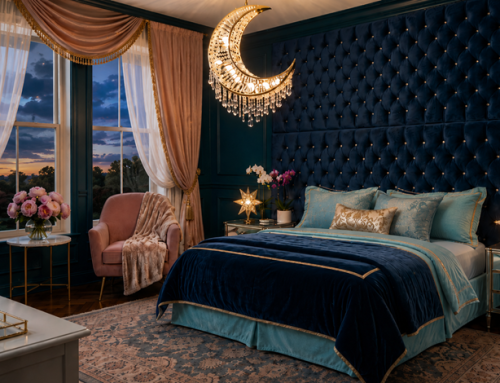
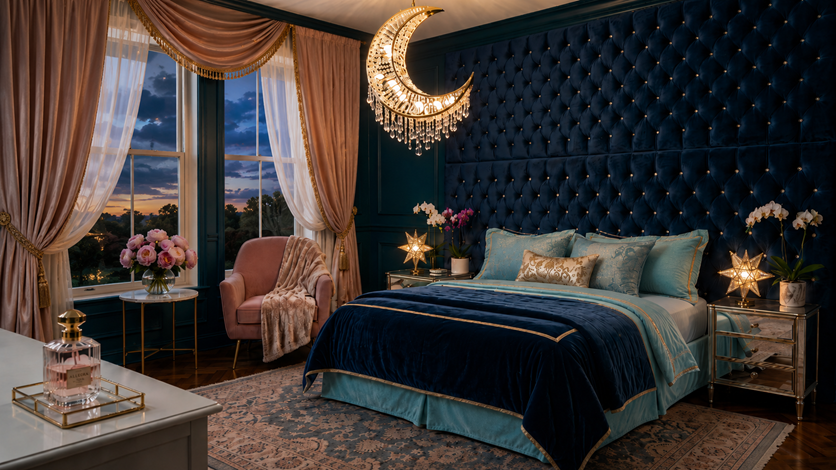
Color communicates to the nervous system faster than conscious thought. Warm tones like coral and terracotta activate energy and appetite in kitchens and social spaces. Deep ocean blues and teals evoke a sense of depth and calm in bedrooms or meditation corners. Small spaces respond especially well to unexpected color: the interior of a front door in a vivid fern green, the inside of a closet painted in a warm ochre or a shower ceiling in a pale sky tone that shifts the feel of an ordinary daily ritual. All of these colors help create a happy home. These are low-commitment applications with outsized sensory return. Color within enclosed or overlooked spaces creates surprise, one of the most reliable dopamine triggers in a home.
Design The Ceiling, Not Just The Walls
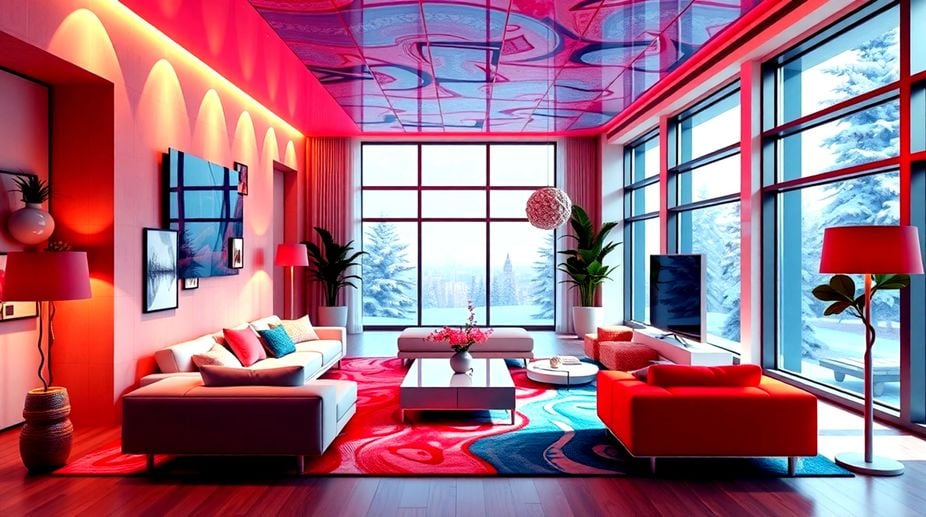
The ceiling is the most ignored surface in most rooms. Painting a ceiling in a deep jewel tone in a small powder room or guest bath changes the entire sensory experience of the space. A cloud-painted or ombre ceiling in a bedroom introduces a subconscious sense of expansion. Color choices that reflect the aspirational identity of the person living in the space reinforce the identity-building work happening every day. Sensory design at its most effective makes the beautiful and the biological inseparable.
3. Tactile Texture: What Surfaces Say Without Words
Touch Is A Sense Worth Designing Around
The tactile experience of a home is largely invisible except when absent. Velvet throw pillows on a sofa activate a quiet luxury that synthetic fills or flat cotton simply cannot replicate. Boucle on a chair or accent wall panel introduces a warmth and dimensional softness that registers instantly. Faux fur layered over a linen duvet adds contrast that makes a bedroom feel genuinely inviting rather than just functional. Natural materials like raw stone, copper and warm wood bring an anti-synthetic grounding quality that supports the nervous system by signaling proximity to nature. Copper, in particular, holds functional appeal with antimicrobial properties that align beautifully with longevity-minded home design.
Stone, Copper & Feng Shui At Home
Feng shui decor principles align closely with sensory design outcomes. Stone introduces the earth element, associated with stability, grounding and long-term health. Copper activates the metal element and moves energy with precision and refinement. A stone soap dish, a copper pot rack or a travertine tray on a console table all function simultaneously as tactile design and intentional energy curation. The most beautifully designed spaces feel right before a person can explain why. Layering 3-4 distinct textures in any single room creates visual richness and tactile interest that holds attention and raises the sensory baseline of daily life. Thick, high-pile rugs create acoustic pockets throughout a home that reduce sound bounce and generate a full-body sense of warmth underfoot.
4. Layered Lighting: The Highest-ROI Health Decision
Light Is Biology, Not Just Aesthetics
The relationship between artificial light and circadian health is well established in research. Cool blue-toned LEDs in evening hours suppress melatonin production and disrupt sleep quality. Warm, dim lighting after sunset helps preserve melatonin levels and supports the sleep-wake cycle that governs nearly every other health marker. Research comparing red and blue LED exposure found that red light at 631nm preserved melatonin levels significantly higher than blue light at 464nm after 2 hours of evening exposure. Melatonin disruption links directly to metabolic dysregulation, mood disorders and accelerated cellular aging. Thoughtful lighting design is one of the highest-impact longevity interventions available inside a home and costs far less than most supplements.
Build The Layers From The Floor Up
Floor lamps in warm amber tones create pools of light that feel like candlelight at scale. Smart bulbs with color temperature control allow for cool, energizing light during productive morning hours and a warm amber shift as the evening progresses. Sheer curtains over windows do double sensory duty: filtering harsh direct light into a soft diffused glow and creating gentle movement when a breeze moves through the room. That movement, slow and rhythmic, is a proven relaxant for the nervous system. A candle in a favorite vessel adds flickering warmth that artificial light cannot fully replicate. Circadian-aligned lighting is sensory decor working at the biological level, where healthspan is built or eroded one evening at a time.
5. Sound: The Acoustic Environment Most Homes Ignore
A Home Has A Soundscape By Default Or Design
Hard floors, bare walls and minimal soft furnishings create rooms that reverberate and exhaust. That echo is a low-grade stress signal that the nervous system constantly registers. Thick rugs absorb sound and create acoustic pockets of quiet that feel like physical relief. A wall or tabletop fountain introduces the sound of moving water, which research connects to parasympathetic nervous system activation and cortisol reduction. Water sound is one of the oldest and most universally effective stress interventions known. In feng shui practice, a fountain in the entry or wealth corner of a home activates the water element and draws positive energy through the front door.
Tune The Room To 432Hz
Music tuned to 432Hz, a specific audio frequency measured in hertz rather than the megahertz range associated with radio or digital signals, has been shown to have calming effects on the brain and body. Research shows that 432Hz music reduces anxiety, lowers salivary cortisol, slows heart rate and increases alpha brainwave activity associated with relaxed focus. A separate body of research on 528Hz, sometimes called the love frequency, reduces stress hormones and raises oxytocin levels within minutes of listening. Both frequencies are available as playlists and standalone tracks across major streaming platforms. Playing music tuned to either frequency through a quality speaker in an evening wind-down environment simultaneously layers the acoustic and biological benefits. Paired with a tabletop fountain, sheer curtains moving in a breeze and warm amber lighting, the acoustic layer becomes the final signal to the nervous system that the day is complete.
Sensory Design Is A Longevity Strategy
Every sensory input the body receives either supports or stresses the biological systems responsible for cellular repair, immune function and mitochondrial DNA (mtDNA) integrity. A home built on deliberate sensory design lowers cortisol over time, supports melatonin production, activates dopamine through beauty and novelty and creates the conditions for deep rest. Healthspan, the period of life spent in full physical and cognitive vitality, extends when the daily environment reduces chronic low-grade stress. These are 5 design decisions that pay biological dividends every single day. The environment is the life.