

Build An Ingredient Library: The Smarter Way To Meal Prep
Why Does Meal Prep Feel Hard?
Meal prep has developed a reputation for consuming time, money and an entire Sunday afternoon. Identical containers of chicken, rice and broccoli can make healthy eating feel uninspired. Meal delivery services pose another challenge when a single undesirable ingredient changes the appeal of an entire meal. That can leave expensive prepared food untouched while easier choices become increasingly tempting. A flexible ingredient library offers a smarter approach to meal prep. Prepared components create variety while keeping healthy food convenient.
Every prepared meal is a small investment in the energy, health and life still ahead.
Let Your Fridge Work Harder
An ingredient library begins with proteins, carbohydrates, vegetables and simple, pre-prepared additions. Each component can be part of several meals rather than a single predetermined plate. Ground chicken can pair with beans, roasted yam, salad greens, eggs or vegetables. Fish can move easily from breakfast into lunch or dinner combinations. This creates flexibility while reducing the need to make cooking decisions during busy days. Meal prep becomes an assortment of possibilities instead of repetitive meals.
Simpler Ingredients Build Better Meals
Even healthy packaged foods can contain 15-20 ingredients. Whole and minimally processed foods make nutritional choices easier to understand. A recent study found increased caloric intake and weight gain on an ultra-processed diet. Single-ingredient foods also make an anti-inflammatory eating pattern easier to customize. Proteins, vegetables, legumes, grains, seeds and healthy fats can create dozens of combinations. Those building blocks provide nutritional control along with culinary flexibility.
Give Frozen Veggies A Try
Frozen vegetables deserve a permanent place in a practical meal prep system. Flash freezing can preserve nutrients while removing pressure to use fresh vegetables quickly. Recent research comparing fresh, refrigerated and frozen produce found that frozen options were nutritionally comparable across many measures. Some frozen produce retained more nutrients after fresh produce spent several days refrigerated. Broccoli, green beans, spinach and mixed vegetables can move directly from freezer to plate. That convenience makes vegetables easier to incorporate consistently.
Know What Stores Well
Root vegetables create useful exceptions within the ingredient library. Yams, sweet potatoes, potatoes, parsnips and celery root generally offer longer storage flexibility. Those options can remain available for roasting, mashing or adding to bowls. More delicate vegetables work well frozen when cooking plans extend beyond 24 hours. Fresh tomatoes and cucumbers can fill shorter-term roles when meals are already planned. This combination reduces waste while keeping different textures available. Not to mention how pretty tomatoes look sitting on a kitchen counter.
Cook Before Hunger Takes Over
Protein preparation creates one of the biggest advantages in meal prep. Cooking 3lbs of ground chicken or turkey can yield several days of flexible meal components. Refrigerated portions can cover upcoming meals while extra portions move into the freezer. Prepared steak, chicken or fish can be served warm or cold depending on the combination. That preparation removes a major cooking step when hunger appears after work or exercise. Healthy eating becomes substantially easier when protein already exists.
How Far Can Chicken Go?
No, this is not another why did the chicken cross the road joke. Ground chicken can become several completely different meals. This sounds crazy, but try cooking ground chicken without any seasoning for the most versatility. Black beans, cannellini beans and roasted yams can create a hearty bowl. When added to scrambled eggs, the same protein becomes a substantial breakfast. Greens, cucumbers and tomatoes can create a crisp lunch. Broccoli, green beans and mashed potatoes can create a warm dinner plate. Different seasonings and herbs can shift flavor again with minimal effort.
Make Healthy Food Impossible To Miss
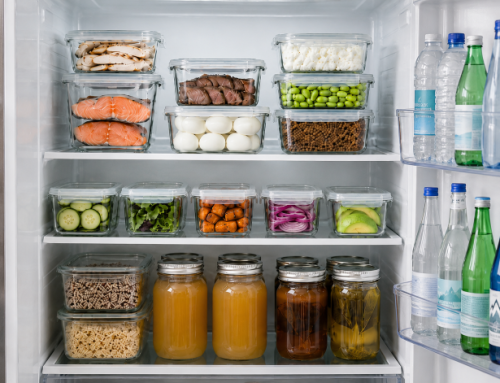
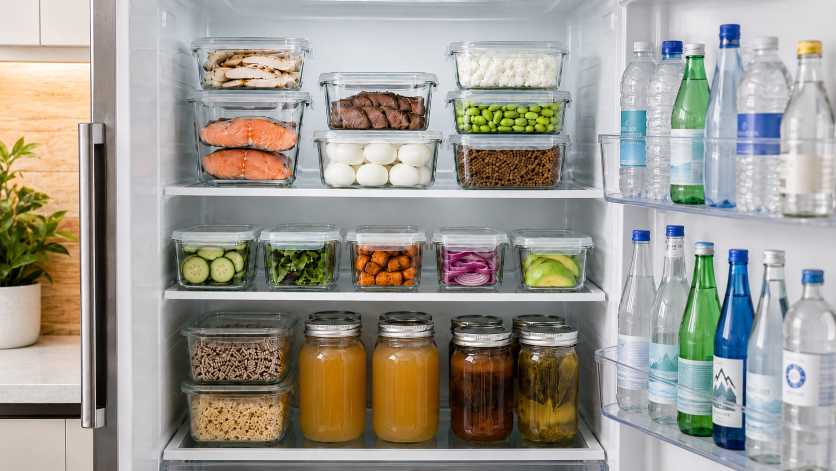
Visibility matters inside an ingredient library. Clear containers allow prepared foods to remain visible immediately after opening the refrigerator. Cucumbers can be peeled and chopped soon after grocery shopping. Restaurant leftovers can move from cardboard packaging into transparent glass containers. Prepared fruit, vegetables and proteins then become easier to notice during moments of hunger. Whatever appears first can quickly become the easiest choice. Convenience can become a powerful nutrition strategy. Reserve the top shelf in the fridge for the healthiest foods.
Let Your Pantry Help Too
Canned foods can provide valuable shortcuts for meal prep. Green beans, black beans and cannellini beans require little preparation while adding fiber and variety. Sodium-conscious selections can keep packaged staples aligned with broader nutrition goals. Olive oil, herbs and simple sauces can quickly change flavor profiles. A can of green beans pairs well with sliced steak and fresh tomatoes within minutes and can be served hot or cold. That level of simplicity helps healthy eating remain practical.
Fresh Herbs Change Everything
Always have fresh herbs around. Adding a couple leaves of fresh basil can make prepared ingredients feel completely different. Basil, cilantro, parsley, mint and chives provide flavor, fragrance and visual interest with minimal effort. A small herb garden can keep those finishing ingredients readily available. Campari tomatoes or grape tomatoes can add sweetness, acidity and color. Herbs, vegetables and healthy fats can create entirely new combinations from familiar proteins. That versatility keeps an ingredient library interesting.
Make Overnight Oats In Threes
Overnight oats demonstrate how easy meal prep can become. An 8oz Mason jar can hold oats, half a banana and a preferred milk. Kefir, coconut milk or A2 milk can create different textures and nutrient profiles. Pepitas and hemp hearts can contribute protein, fiber and healthy fats. Preparing 3 jars creates several ready-to-eat breakfasts or snacks at once. Those prepared options make nutrient-dense choices immediately accessible.
Feed More Than Hunger
A varied ingredient library can support gut health through multiple sources of fiber and fermented foods. Oats, beans, vegetables, seeds and resistant starches provide different substrates for beneficial gut microbes. Kefir can add fermented food variety alongside fiber-rich plant foods. Greater dietary diversity can support an anti-inflammatory nutrition pattern. Those patterns matter for metabolic health, immune function and long-term healthspan. Meal prep makes that variety easier to repeat consistently.
Turn Meal Prep Into Biohacking
Longevity depends heavily on repeated daily behaviors that support healthspan across decades. Consistent protein, fiber, vegetables and healthy fats can support metabolic health and cellular repair. Antioxidant-rich foods may also help protect mitochondria and mtDNA from oxidative stress. Meal preparation creates a practical biohacking tool by reducing friction around nutrient-dense choices. Recent research has linked meal planning with greater food variety and higher overall diet quality. Small preparation habits can compound into meaningful long-term benefits.
Give Yourself Just 3 Days
A 3-day ingredient library provides enough structure while preserving flexibility. Prepared protein, vegetables, starches and snacks can create multiple combinations across that period. Extra cooked food can move into the freezer for later meals. Frozen vegetables and pantry staples provide backup options when refrigerator selections run low. Planning ahead can reduce impulse decisions during busy or exhausting days. The best meal prep system makes healthy food visible, appealing and remarkably easy to assemble.