
Women’s Longevity: How Strength, Protein & Recovery Build Your Healthspan
What Does Women’s Longevity Offer You?
Women’s longevity becomes more meaningful when additional years include the strength to explore, travel and live independently. Healthspan refers to the years spent in good health, with daily functioning preserved. Muscle, nourishing meals and recovery help support that possibility. For women navigating midlife and menopause, protecting physical capability deserves as much attention as weight management. The goal includes carrying groceries, climbing stairs and enjoying other adventures.
The strength built now keeps tomorrow open for adventure.
Your Size Reveals Only So Much
While a smaller clothing size may be the goal, make sure the goal is fat loss, not muscle loss. A dress size says little about strength, cardiovascular endurance or bone density. Slim bodies can carry limited muscle, while fitness develops through training and adequate nutrition across different body sizes. Muscle mass also helps regulate blood glucose and supports everyday movement. When starting a new activity program, track all progress, like walking stamina or how many flights of stairs each day. Understand that body composition offers a fuller picture of physical health than scale weight alone.
Build Muscle To Support Your Bones
Declining estrogen around menopause accelerates bone loss, increasing osteoporosis risk. Resistance training loads bones through muscular effort, helping maintain bone strength. Stronger muscles also support balance and reduce the risk of falls, which can lead to fractures. Muscle mass alone provides an incomplete safeguard. Weight-bearing movement, adequate calcium and vitamin D, bone assessment and treatment when indicated complete a broader prevention strategy. Many US women have vitamin D deficiency and should have levels checked at least annually.
Can You Get Up By Yourself?
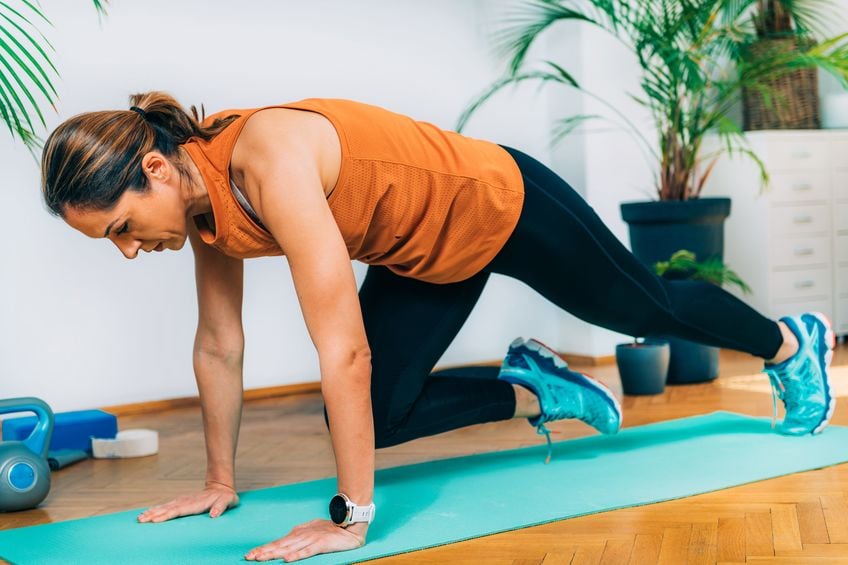
Getting up from the floor independently combines strength, coordination and mobility. Mobility practice can begin with a sturdy support and progress as ability improves. Full-body exercise should include squatting, hinging, pushing, pulling and carrying, adapted to physical limitations. Aim for strength training at least 2 days weekly, alongside aerobic activity and balance practice. Women with osteoporosis should get guidance on safe loading and movement from a healthcare professional.
Protect Your Muscle During GLP-1 Treatment
Glucagon-like peptide-1 (GLP-1) medications can improve weight-related health, but ongoing treatment can involve nausea, constipation, diarrhea or vomiting. Symptoms often ease, although persistent digestive problems can interfere with eating and hydration. Reduced appetite and weight loss can also contribute to the loss of lean tissue, including muscle. Adequate protein and resistance exercise help address that risk. These types of symptoms warrant prescriber review, particularly when meals become difficult. Many healthcare providers are concerned about the ongoing side effects of GLP-1 and GIP treatment for weight loss, as the focus is only on the scale.
How Much Protein Is In Your Meal?
The familiar 30g limit confuses muscle-building responses with a fixed absorption ceiling. A controlled study found that 100g of protein after exercise produced greater, longer-lasting muscle protein synthesis than 25g. The experiment involved healthy young men and tracked an acute response, leaving long-term benefits for women uncertain. Larger portions can contribute useful protein, but 100g meals remain an experimental dose rather than a universal target.
Make Your Fasting Window Work Harder
Intermittent fasting compresses eating windows, potentially making adequate protein and energy intake harder to achieve. Consider a hypothetical 120g daily target. Across 3 meals, that means 40g per meal, compared with 60g across 2 meals. This calculation illustrates meal planning, while individual needs vary with body size, activity and health. A wider eating window may better accommodate training, appetite and recovery, especially during GLP-1 treatment.
Give Your Muscles Time To Recover
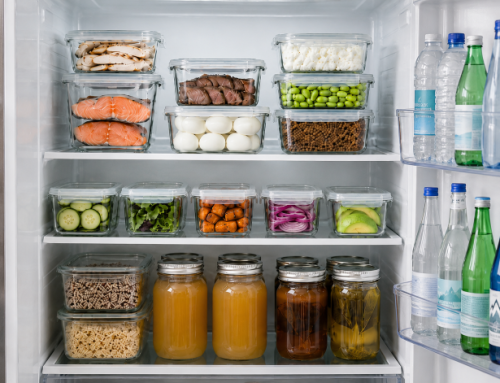
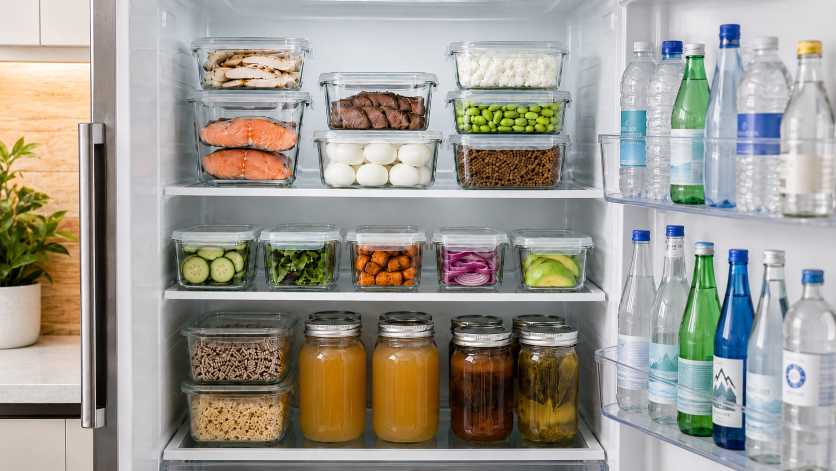
Recovery gives muscles time and nutritional resources to adapt between demanding sessions. Consistent sleep, sufficient food and easier movement days support sustainable training. Protein-rich meals can include fish, eggs, yogurt, poultry or legumes alongside varied plant foods. Women’s longevity gains practical meaning through maintained capability. These habits support the strength that keeps travel, exploration and everyday independence within reach.