
Circadian Architecture How To Design Your Home For Better Sleep
Can Your Home Affect Sleep?
Sleep is not just about bedtime habits. The bedroom is not just a room. This space is a biological instrument and most high-achieving women are playing that instrument completely out of tune. Circadian architecture is the science-backed practice of designing a home environment to work with the body’s natural light-dark cycle, cortisol rhythms and melatonin production rather than against those rhythms. Bad sleep is not a personality flaw or a badge of ambition. Poor sleep is a design problem and like every design problem, a solution exists. This is curating at the most functional level: an intentional environment that does not just look like the life worth living, but actively builds the biology behind that life.
Sleep is not the absence of ambition. Sleep is the infrastructure ambition runs on.
How brightness affects sleep
Light plays the biggest role in regulating sleep. Bright, cool light during the day can help the body feel alert and awake. In the evening, dimmer, warmer light can signal a slower pace. Harsh overhead lighting late at night can work against that change. Adjusting light levels throughout the day can help support a more natural rhythm.
Change brightness throughout the day
Lighting does not need to stay the same from morning to night. Opening curtains early in the day can bring in natural light and help set the internal clock. In the evening, switching to lamps or softer bulbs can create a calmer environment. Light that gradually changes throughout the day can help the body transition more easily. Even simple changes can make a noticeable difference.
Create a restful space
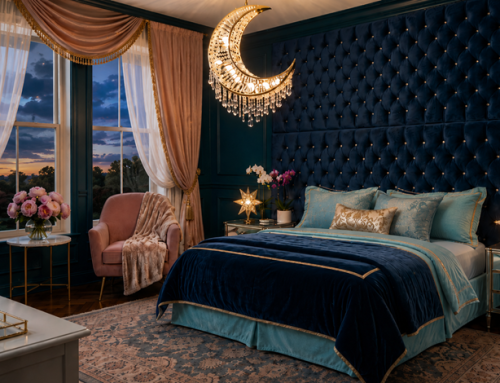
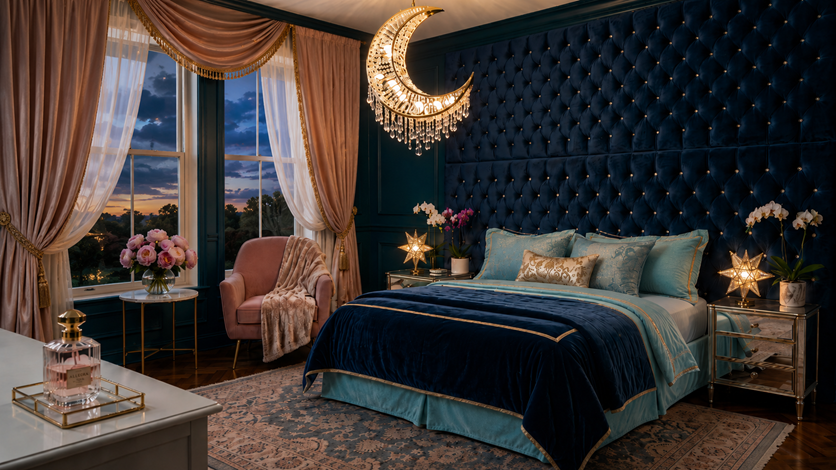
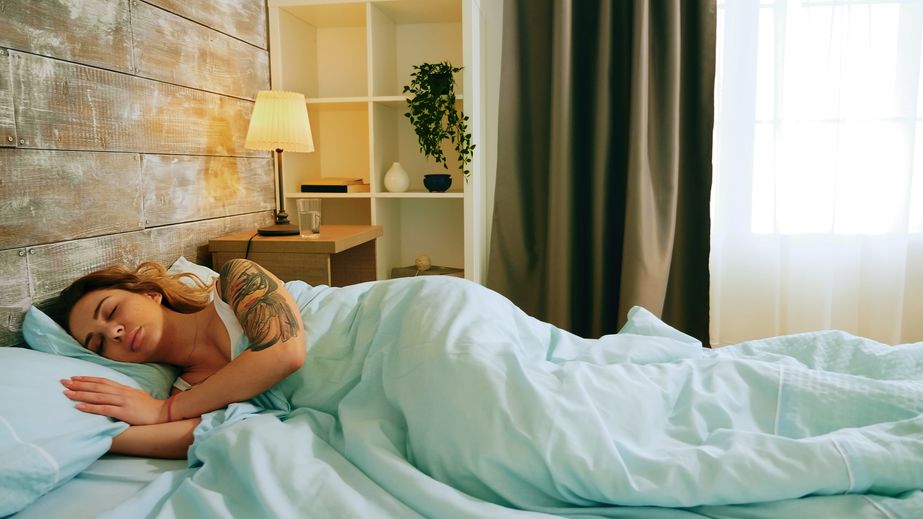
A bedroom should feel separate from the rest of the home. Darkness, quiet and a slightly cooler temperature can all support better sleep. Blackout curtains can block outside light, while soft materials can make the space feel more comfortable. A room that feels enclosed and calm can help the body relax more easily. The space should make winding down feel easier. Adding live plants to the space can be a source of calmness as well.
Reduce nighttime disruption
Late-night light and noise can interfere with sleep more than expected. Screens, bright bulbs and background noise can keep the body in a more alert state. Reducing the disruptive inputs in the evening can help support melatonin production. Small adjustments, like dimming lights or limiting screen time, can help signal to the body that the day is ending. Fewer disruptions can lead to deeper rest.
Use layout to your advantage
The way a home is arranged can shape how the day feels. Brighter spaces can be used for mornings and daytime activity. Dimmer areas can be reserved for evenings and winding down. Separating active areas from rest areas can help the body wind down more easily. A well-planned layout can make transitions from activity to rest feel easier. Having deeper sleep and resting well has been linked to improved healthspan and longevity. This is another biohack for living a long and healthy life.
Add simple automation
Technology can help support a consistent routine. Timers for lights or shades can create gradual changes without needing constant attention. Lights that warm or dim in the evening can help reinforce a nighttime routine. Morning light that comes on gradually can make waking feel easier. Automation can support consistency, which often matters more than perfection.
Build a better rhythm
Better sleep often comes from small changes that work together. Light, temperature and layout all play a role in how the body moves through the day. Adjusting the home environment can support a more natural rhythm without major effort. Over time, simple changes can help sleep feel more consistent and restorative one night at a time.